

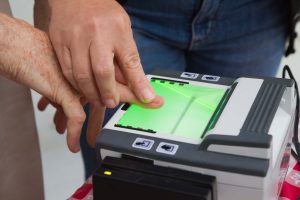
When a person is arrested or charged with a criminal offence in Canada, police commonly collect identifying information such as fingerprints and photographs. Later, many individuals want this information removed once their case has been resolved. In Edmonton Police Service, the process is known as a fingerprint destruction request.
While the process can help individuals move forward after a criminal matter has concluded, fingerprint destruction is not automatic. Requests are subject to legal requirements under the Criminal Code of Canada and the Identification of Criminals Act, as well as internal police policies.
Understanding both the procedure and the limitations is important before applying. Law firms such as BW Law often assist clients by explaining eligibility requirements, reviewing documents, and helping individuals understand how to properly complete the application forms. However, it is important to note that members of the public must submit fingerprint destruction applications themselves to the Edmonton Police Service.
Why Police Collect Fingerprints
Police are authorized to collect fingerprints and photographs from individuals charged with certain criminal offences under the Identification of Criminals Act. This typically applies to indictable offences or hybrid offences that may proceed by indictment.
Once collected, fingerprints are usually forwarded to the Royal Canadian Mounted Police, which maintains Canada’s national fingerprint repository. Even if charges are later withdrawn or dismissed, these records can remain in police systems unless they are formally destroyed.
For people navigating this process for the first time, understanding where records are stored and how destruction works can be confusing. Legal professionals at BW Law can help answer questions about how the system works and what steps are required before making a request.
When You May Request Fingerprint Destruction
Individuals may be eligible to request the destruction of fingerprints and photographs in several circumstances after their case has concluded.
Charges Withdrawn or Stayed
If a Crown prosecutor withdraws the charge or enters a stay of proceedings, the prosecution ends. In these situations, individuals can typically apply to have their identifying records destroyed.
Acquittal
If a court finds the accused not guilty, the person may apply for fingerprint destruction.
Peace Bonds or Diversion Programs
Some cases are resolved through alternative measures, such as diversion programs or peace bonds. After successfully completing the program or agreement, individuals may request destruction of their records.
Absolute or Conditional Discharges
When a court grants a discharge rather than a conviction, the person may request destruction after the applicable discharge period has passed.
Each request is reviewed by the Edmonton Police Service. While lawyers cannot submit the application on behalf of a client, BW Law can assist individuals in determining whether their case outcome makes them eligible to apply and help them understand what documents will be required.
The Procedure for Requesting Fingerprint Destruction
Although procedures can change over time, the general process in Edmonton typically involves several steps.
1. Confirm Eligibility
The first step is confirming that the case outcome allows for a destruction request. Applicants must demonstrate that their criminal matter has been resolved in a way that permits the application.
Common supporting documents include:
- Court records confirming the charge was withdrawn
- Documentation showing an acquittal
- Proof of discharge
These records are usually obtained from the courthouse where the case was heard.
If individuals are unsure which documents are required, BW Law can help review court records and explain what paperwork should accompany the request.
It is also important to be aware that the Edmonton Police Service recently updated its eligibility policy. For many offences listed in section 487.04 of the Criminal Code, applicants must now wait five years before submitting a fingerprint destruction request. This waiting period applies to the majority of the designated offences in that section and reflects a more restrictive approach to record destruction. BW Law is ready to challenge this policy in court, so if your return to normal life is being hampered by an inability to expunge all records of an arrest, contact us today.
2. Obtain the Application Form
The Edmonton Police Service provides a fingerprint destruction request form through its Identification Section. Applicants must complete the form and provide information such as:
- Full legal name
- Date of birth
- Current contact information
- Details of the charge and the court outcome
Supporting documents must typically be attached to confirm the result of the case.
While lawyers cannot submit the application for a client, BW Law can help individuals understand the form, ensure it is completed correctly, and answer questions about the information required.
3. Submit the Application
Once the form is completed, the applicant must submit it directly to the Edmonton Police Service. Depending on the current procedures, this may involve submitting the application:
- In person
- By mail
It is important to remember that the applicant must submit the request personally or by mail. Lawyers and law firms cannot submit the request on someone’s behalf.
However, BW Law can assist individuals beforehand by reviewing the completed form and helping ensure that the supporting documents are properly organized, which may reduce delays.
4. Police Review of the Request
After submission, the Edmonton Police Service reviews the application and supporting documentation.
During this review, police may consider:
- The nature of the original offence
- The final outcome of the case
- Whether the applicant has other charges or convictions
- Whether there are ongoing law enforcement concerns
If approved, the Edmonton Police Service destroys its local fingerprint and photograph records and provides an option to notify the Royal Canadian Mounted Police on your behalf so the national database can be updated.
Applicants sometimes have questions about how long this process will take or what factors might influence the decision. In these situations, BW Law can provide guidance on what applicants should expect during the review process.
Legal Context: Designated Offences
The seriousness of certain offences can influence how identifying records are treated in the criminal justice system. Section 487.04 of the Criminal Code identifies designated offences, which are divided into primary and secondary categories.
Primary Designated Offences
Primary designated offences are among the most serious criminal offences, including:
- Murder
- Manslaughter
- Robbery
- Kidnapping
- Sexual assault and aggravated sexual assault
- Child pornography offences
- Human trafficking
- Terrorism offences
These offences involve serious violence, exploitation, or threats to public safety.
Secondary Designated Offences
Secondary designated offences include a broader group of crimes such as:
- Assault
- Criminal harassment
- Uttering threats
- Break and enter
- Certain drug trafficking offences
These offences are still serious but may involve more discretion in how identifying records are handled.
If individuals are unsure whether their original charge falls within these categories, BW Law can help explain how the offence is classified and how that may affect the destruction request process.
Limitations on Fingerprint Destruction
Although the process exists, several important limitations apply.
Destruction Is Discretionary
Approval is not guaranteed. The Edmonton Police Service has discretion to approve or deny requests even when charges are withdrawn or dismissed.
Convictions Generally Prevent Destruction
If a person was convicted, fingerprint destruction is usually not available. Instead, individuals may eventually apply for a record suspension. Even then, the records are sealed rather than destroyed.
Waiting Periods May Apply
As noted earlier, the Edmonton Police Service has introduced longer waiting periods for many designated offences under section 487.04, meaning applicants may need to wait five years before submitting their request.
Practical Tips Before Applying
Before submitting a fingerprint destruction request, individuals should:
- Obtain complete court documentation
- Confirm the exact outcome of their case
- Ensure all court conditions or obligations are satisfied
- Verify that no other charges are pending
Taking these steps can help ensure the application is reviewed without unnecessary delays.
Conclusion
Fingerprint destruction requests provide an opportunity for individuals to remove identifying police records after a criminal matter has been resolved without a conviction. In Edmonton, the process involves submitting an application to the Edmonton Police Service along with supporting court documents confirming the outcome of the case.
However, the process has several limitations. With the right preparation and understanding of the process, individuals can take an important step toward clearing identifying police records and moving forward after their case has concluded.